A concrete description of the platform's deliverables — not aspirations.
What Alpine Studio Actually Delivers
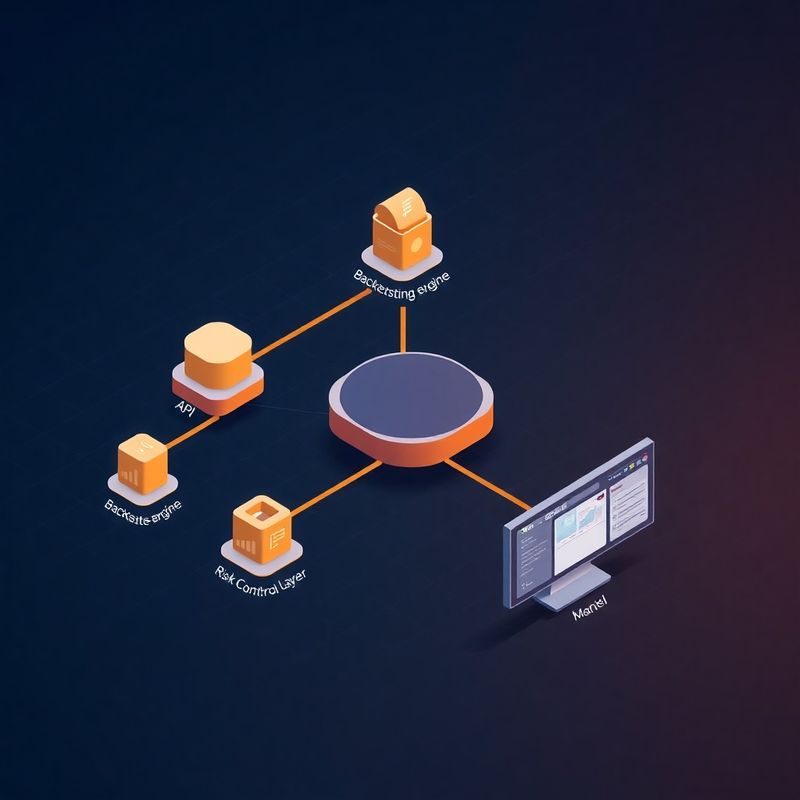
When you onboard with Alpine Studio, you receive a configured automation environment that connects to your nominated broker accounts via their official APIs. We set up the strategy execution engine, wire your defined entry and exit rules into the order-routing layer, and verify live connectivity before any capital is at risk. You receive a 12-page onboarding document covering your specific broker configuration, a private dashboard URL, and access to the backtesting module where you can validate rule changes against historical data before pushing them live. Typical onboarding time from contract to first live order is five to ten business days, depending on broker API availability and your strategy complexity.
Each capability is a discrete module — configure only what your workflow requires.
Service Areas in Detail
Broker Integration Setup
We configure direct API connections to your broker, covering authentication, order types supported by that broker, and failover logic for dropped sessions. Supported broker families include MetaTrader 4/5 compatible brokers, Interactive Brokers, and select EU-regulated broker APIs. We test every connection in paper-trading mode before go-live.
Backtesting & Strategy Validation
Upload your rule set and we run it across up to three years of historical tick data for your chosen instruments. You receive a structured report: trade log, drawdown curve, win-rate, and average holding time. The report does not predict future results — it quantifies how the rule set behaved historically under defined conditions.
Risk Control Configuration
Define your own risk parameters: maximum daily loss as a percentage of account equity, maximum open positions simultaneously, and a kill-switch drawdown level that halts all automation until you manually re-enable it. These controls sit at the platform layer — they cannot be overridden by a strategy signal.
Strategy Automation & Scheduling
Map your entry and exit conditions to the execution engine, set active trading windows by day and time, and configure partial position sizing rules. The engine supports multiple concurrent strategies on separate accounts without cross-contamination of risk pools.
Monitoring Dashboard & Alerting
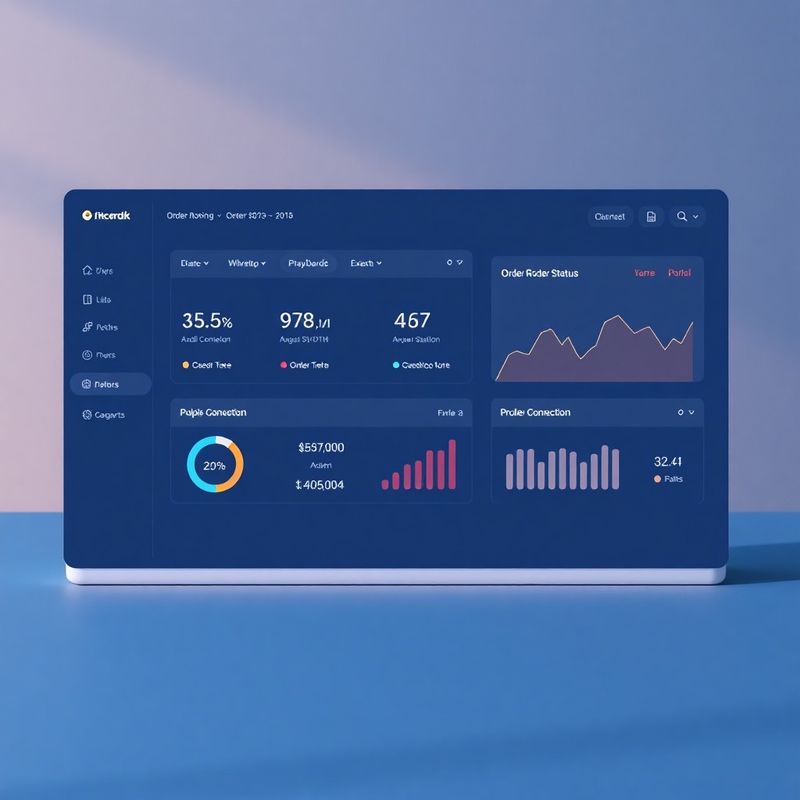
Your private indigo-tech dashboard aggregates broker connection status, open trades, strategy run history, and risk-limit events in one place. Configurable alerts can be sent by email or webhook when a connection drops, a risk limit is triggered, or an order is rejected by the broker.
Practical answers to what traders ask before onboarding.
Common Questions About the Platform
Which brokers does Alpine Studio support?
We support brokers that expose a standard API — primarily MetaTrader 4/5 bridge-compatible brokers, Interactive Brokers TWS API, and several EU-regulated retail broker APIs. If your broker is not on the current list, contact us with their API documentation and we will evaluate compatibility. We do not support brokers that require manual web-portal order entry.
Do I need programming experience to use the platform?
No. Strategy rules are defined through a structured configuration interface — you specify conditions and parameters in plain terms. If you have an existing script in MQL4, MQL5, or Python, our team can review it and map it to the execution engine during onboarding. Programming knowledge helps but is not required.
Can Alpine Studio guarantee trading results?
No, and we will not claim otherwise. The platform automates the execution of the strategy you define. Market conditions, broker fills, liquidity, and your own rule-set quality all affect outcomes. Our job is to ensure your instructions reach the broker accurately and quickly — what the market does with those orders is outside our control.
How long does onboarding take?
For a single broker with a tested strategy, onboarding typically completes in five to ten business days. Complex configurations involving multiple brokers, custom risk logic, or strategy migration from an existing system may require two to three weeks. We give you a realistic timeline at the scoping stage, not after the contract is signed.
What happens if the broker API goes down?
The platform monitors broker connectivity on a 30-second heartbeat. If the connection drops, pending orders are paused and you receive an immediate alert via your configured channel. When the API recovers, the platform re-authenticates and resumes normal operation. We log every connectivity event so you have a full audit trail.
See Which Pricing Plan Fits Your Setup
Choose a tier based on the number of broker connections and strategies you need to run.